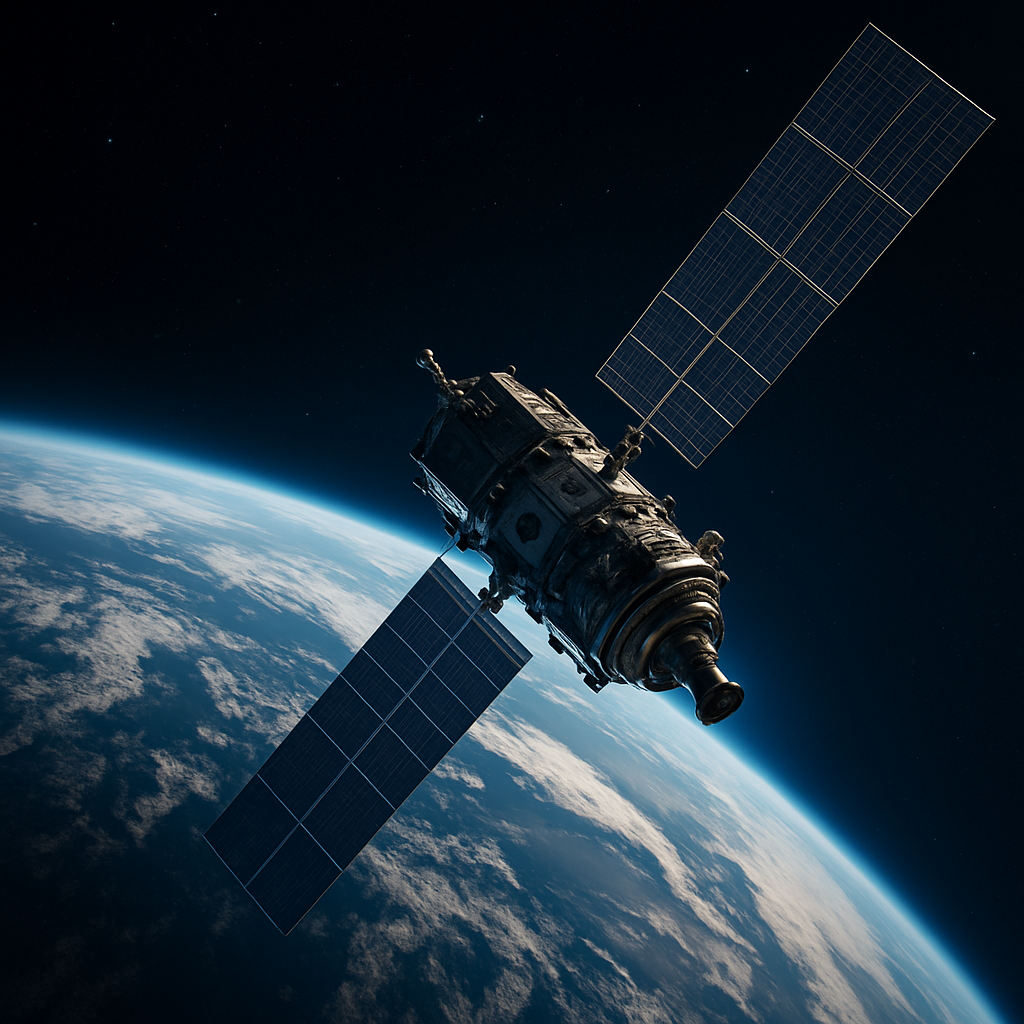
In a bold step towards climate protection, Google has partnered with Muon Space and the Earth Fire Alliance to launch an AI-powered satellite system that detects wildfires from space in near real time.
With wildfires becoming more frequent and intense due to global climate change, early detection has never been more critical. Google’s new satellite initiative—nicknamed “Fire Sat”—is designed to scan high-risk areas every 15 to 20 minutes, using advanced imaging technology and AI analysis to identify fire outbreaks while they are still small and manageable.
What Is Fire Sat?
The Fire Sat system is part of a growing collaboration between Google, Earth Fire Alliance, and satellite startup Muon Space. The constellation includes high-resolution, multispectral satellites orbiting the Earth, capable of detecting heat signatures and visible smoke from even small fires — as small as 5×5 meters.
Unlike traditional satellite monitoring, which may provide updates every few hours, Fire Sat delivers near real-time data, allowing firefighters and emergency responders to act faster, minimize damage, and potentially save lives.
How AI Is Changing the Game
The real power behind Fire Sat lies in its AI capabilities. Once the satellites collect imaging data, machine learning algorithms analyze it instantly to determine whether there’s a fire and how it’s spreading. This dramatically reduces the time between detection and response.
Instead of relying on manual interpretation or delayed satellite data, authorities can now receive precise alerts within minutes of a fire’s ignition. This can be a game-changer in countries like Australia, the US, and parts of Europe that have faced catastrophic wildfires in recent years.
Global Impact & Future Plans
Google’s satellite program isn’t just about firefighting. It’s a major leap forward in climate monitoring technology, providing valuable data that can be used for research, policymaking, and sustainable land management.
In the future, Fire Sat’s AI may expand to detect other disasters such as floods, landslides, or even air quality issues. It’s a prime example of how tech can be harnessed to protect the planet.
Why It Matters
- Faster wildfire alerts = quicker response = less destruction
- Helps protect wildlife, property, and human lives
- Boosts AI-driven sustainability efforts
- Sets a new benchmark for public-private tech collaborations
Final Thoughts
The launch of Google’s Fire Sat is a reminder that technology is not just about convenience—it can be a force for survival and safety. As climate risks continue to grow, smart systems like these offer a glimpse of a future where AI and space technology are working together to protect life on Earth.