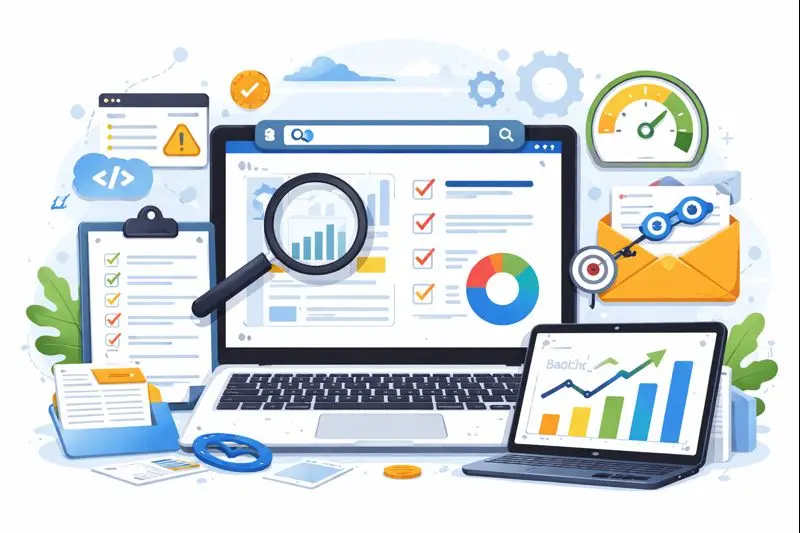
In 2026, the way people discover, interact, and transact with brands is overwhelmingly digital. If your business doesn’t have a strong digital growth strategy, you’re missing the single biggest driver of new customers, revenue, and competitive advantage available today. A digital growth strategy is more than fancy tools or tech — it’s a plan that outlines strategic goals and metrics to guide how your business grows, adapts, and succeeds in a connected world. With global digital adoption accelerating and customers expecting engaging online interactions, integrating a robust strategy isn’t optional — it’s essential for survival and long-term growth.
What Is a Digital Growth Strategy?
A digital growth strategy is a comprehensive blueprint that uses digital channels, technologies, and data to grow your business. It ties business goals to measurable metrics, such as traffic, conversions, customer retention, engagement rates, sales, and ROI. Rather than random digital activity, it’s a structured approach where every action contributes to measurable business outcomes.
Key Components:
- Clear business goals tied to revenue, market share, or customer acquisition
- Metrics that track performance and success
- Integrated use of digital channels like SEO, social media, email, and automation
- Use of analytics and data-driven insights to refine activities
This strategic alignment of tools and activities enables businesses to make informed decisions and improve performance across the customer journey.
Why Businesses Must Prioritize Digital Growth Strategy
1. Meet Evolving Customer Expectations
Consumers today expect fast, personalized, and seamless digital experiences. A strategy that maps out specific goals and ties them to well-defined metrics enables businesses to deliver these experiences consistently. From social media interactions to online purchasing, customers judge brands based on how easy and relevant their digital interactions are. Those that don’t keep up fall behind.
2. Gain a Competitive Advantage
Companies with a strong digital growth strategy move faster than competitors who rely on traditional methods. They adjust to market changes quicker, innovate faster, and attract customers more effectively because they measure what matters and optimize accordingly.
Examples of metrics that give a competitive edge include:
- Conversion rate from digital campaigns
- Cost per acquisition
- Customer lifetime value
- Engagement on digital channels
Tracking these metrics means you know what’s working and what needs improvement — and that knowledge fuels growth.
3. Drive Revenue and Business Growth
A carefully designed digital growth strategy directly impacts your bottom line. Businesses that harness online channels and technologies often see improvements in market reach, sales conversions, and customer retention. According to recent reports, companies adopting digital initiatives saw increased revenue and improved efficiency compared to those that lag behind in digital adoption.
4. Improve Operational Efficiency
A digital growth strategy isn’t just about marketing. It helps streamline internal processes by using automation, cloud tools, and analytics to reduce manual work. When teams spend less time on repetitive tasks, they can focus on innovation and growth, leading to higher productivity and reduced costs.
Metrics that track efficiency include:
- Time saved through automation
- Reduction in operational cost
- Faster delivery times
By tying these to strategic goals, businesses improve performance sustainably.
5. Better Decision-Making with Data
One of the strongest advantages of digital strategies is access to real-time data. Tools like analytics platforms and dashboards provide clarity on how your business is performing online. You can monitor key metrics daily and pivot quickly when goals aren’t being met.
Instead of guessing what your customers want, you use data — and that’s the future of business decision-making.
6. Build Resilience for Future Market Shifts
Market disruptions, like rapid tech change or economic shifts, are part of business today. Companies with a digital growth strategy are inherently more adaptable because they constantly evaluate performance, adjust tactics, and align their goals with changing trends.
In fact, over 90% of companies that cannot adapt quickly to market shifts struggle due to poor digital integration — showing that digital isn’t just growth; it’s resilience.
How to Build an Effective Digital Growth Strategy (Step-by-Step)
Creating a strategy might seem overwhelming, but breaking it down into clear phases makes it manageable and impactful.
1. Set Clear Business Goals
Your strategy should begin with clearly defined goals such as increasing website traffic by 30% or boosting online sales by 50% in six months. These goals give your strategy purpose and direction.
2. Determine Key Metrics
Once goals are set, identify which metrics will show progress toward them. For website growth, this might include:
- Organic search traffic
- Click-through rate (CTR)
- Conversion rate
- Customer retention rate
Without measurable metrics, a strategy becomes guesswork.
3. Map Digital Channels to Your Goals
Choose the digital channels that best support your goals — SEO, social media, email, PPC, content marketing, or automation. Each channel should help move the needle on your metrics.
4. Use Data to Guide Decisions
Leverage analytics and digital tools to monitor performance. Regularly review metrics and compare them against your goals. If something isn’t working, adjust tactics without waiting until the end of a campaign.
5. Test, Learn, and Improve
A successful digital growth strategy is a living document. As you collect data, test new ideas, and refine your approach. This cycle of continuous improvement is what drives long-term growth.
Conclusion — Digital Growth Strategy Is No Longer Optional
In a world where technology shapes every aspect of customer behavior and business performance, a digital growth strategy is indispensable. It aligns your business goals with measurable metrics, helps you grow intelligently, and builds resilience against market changes. Whether you’re a startup or a global enterprise, investing in a well-designed digital growth strategy unlocks customer insights, improves efficiency, and drives sustainable success.
If there’s one foundation every business should build in 2026 and beyond, it’s a strategy that connects digital activity to real business outcomes.